Engaging Blog Ideas to Enhance Your Creative Portfolio
- thorsoncody88
- 4 hours ago
- 4 min read
Creating a compelling creative portfolio is essential for anyone looking to showcase their skills and attract potential clients or employers. Whether you are a graphic designer, photographer, writer, or any other type of creative, your portfolio is often the first impression you make. In this blog post, we will explore engaging blog ideas that can help you enhance your creative portfolio and make it stand out in a crowded marketplace.
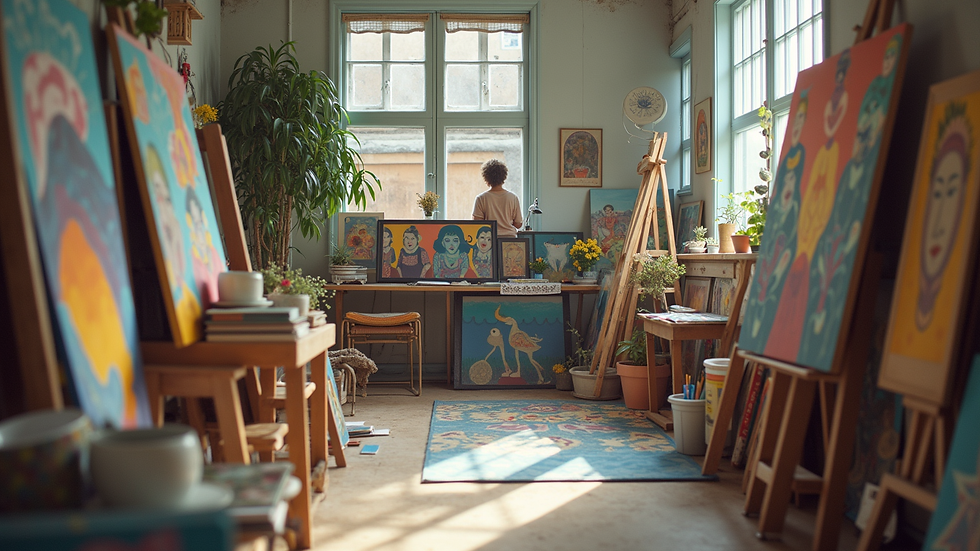
Understanding the Importance of a Creative Portfolio
A creative portfolio serves as a visual resume that highlights your best work. It allows you to present your skills, style, and personality in a way that words alone cannot. Here are a few reasons why having a well-structured portfolio is crucial:
First Impressions Matter: Your portfolio is often the first thing potential clients or employers see. A well-crafted portfolio can make a lasting impression.
Showcase Your Skills: It allows you to demonstrate your abilities and the range of your work.
Tell Your Story: A portfolio can narrate your journey as a creative, showcasing your growth and evolution over time.
Blog Ideas to Enhance Your Creative Portfolio
1. Behind-the-Scenes Insights
Creating a blog post that provides behind-the-scenes insights into your creative process can be incredibly engaging. Share the story behind a specific project, detailing the challenges you faced and how you overcame them. This not only showcases your skills but also gives potential clients a glimpse into your work ethic and problem-solving abilities.
Example: If you are a photographer, write about a photoshoot that didn’t go as planned. Discuss how you adapted to the situation and the final outcome.
2. Tutorials and How-To Guides
Consider creating tutorials or how-to guides related to your area of expertise. This type of content not only showcases your skills but also positions you as an authority in your field.
Example: A graphic designer could create a step-by-step guide on how to create a logo from scratch, including tips on color theory and typography.
3. Case Studies of Successful Projects
Writing case studies about your successful projects can provide potential clients with a clear understanding of what you can achieve. Include details such as the project brief, your approach, and the results.
Example: If you designed a website for a local business, detail the objectives, your design process, and how the new website improved their online presence.
4. Creative Challenges and How You Overcame Them
Discussing creative challenges you’ve faced can resonate with your audience. Share how you tackled these obstacles and what you learned from the experience.
Example: If you are a writer, you might discuss a time when you faced writer's block and the techniques you used to overcome it.
5. Showcase Your Inspirations
Create a blog post that highlights your inspirations. This could include artists, designers, or movements that influence your work. Sharing your inspirations can help potential clients understand your style and vision.
Example: A painter could discuss how the works of Van Gogh inspire their use of color and brushwork.
6. Portfolio Updates and New Projects
Regularly updating your audience on new projects or changes to your portfolio keeps them engaged. Share what you’ve been working on and any new skills you’ve acquired.
Example: If you’ve recently learned a new design software, write about how it has changed your workflow and showcase a project created with it.
7. Collaborations and Partnerships
Highlighting collaborations with other creatives can showcase your ability to work in a team and adapt to different styles. Discuss the project, your role, and the outcome.
Example: If you collaborated with a musician to create album artwork, detail the creative process and how you merged your styles.
8. Tips for Aspiring Creatives
Sharing tips for aspiring creatives can position you as a mentor in your field. Offer advice based on your experiences and what you wish you had known when starting out.
Example: A photographer could share tips on how to build a portfolio from scratch, including what types of images to include.
9. Personal Projects and Passion Work
Discussing personal projects can reveal your passions and interests outside of client work. This can help potential clients connect with you on a personal level.
Example: If you are a graphic designer, share a personal project where you designed a poster for a cause you care about.
10. Trends in Your Creative Field
Writing about current trends in your creative field can demonstrate your knowledge and keep your audience informed. Discuss how these trends influence your work and what you think will come next.
Example: A fashion designer could write about sustainable fashion trends and how they are incorporating eco-friendly materials into their designs.
Structuring Your Blog Posts
When writing your blog posts, it’s essential to maintain a clear structure. Here are some tips for organizing your content effectively:
Use Headings: Break your content into sections with clear headings. This makes it easier for readers to scan and find the information they need.
Bullet Points: Use bullet points to highlight key information or tips. This improves readability and keeps your audience engaged.
Short Paragraphs: Keep paragraphs short and to the point. This helps maintain the reader's attention and makes your content more digestible.
Engaging Your Audience
To keep your audience engaged, consider the following strategies:
Ask Questions: Encourage readers to share their thoughts or experiences in the comments section. This fosters a sense of community and interaction.
Include Visuals: Use images, infographics, or videos to complement your text. Visuals can enhance understanding and make your posts more appealing.
Share on Multiple Platforms: Promote your blog posts on various platforms to reach a wider audience. Consider using newsletters, social media, or creative forums.
Conclusion
Enhancing your creative portfolio is an ongoing process that requires dedication and creativity. By implementing these blog ideas, you can showcase your skills, tell your story, and connect with potential clients. Remember, your portfolio is not just a collection of your work; it’s a reflection of who you are as a creative. Keep it updated, share your journey, and let your passion shine through.
By following these strategies, you can create a portfolio that not only highlights your talents but also engages and inspires your audience. Start today by choosing one of the blog ideas mentioned above and watch your creative portfolio flourish.


Comments